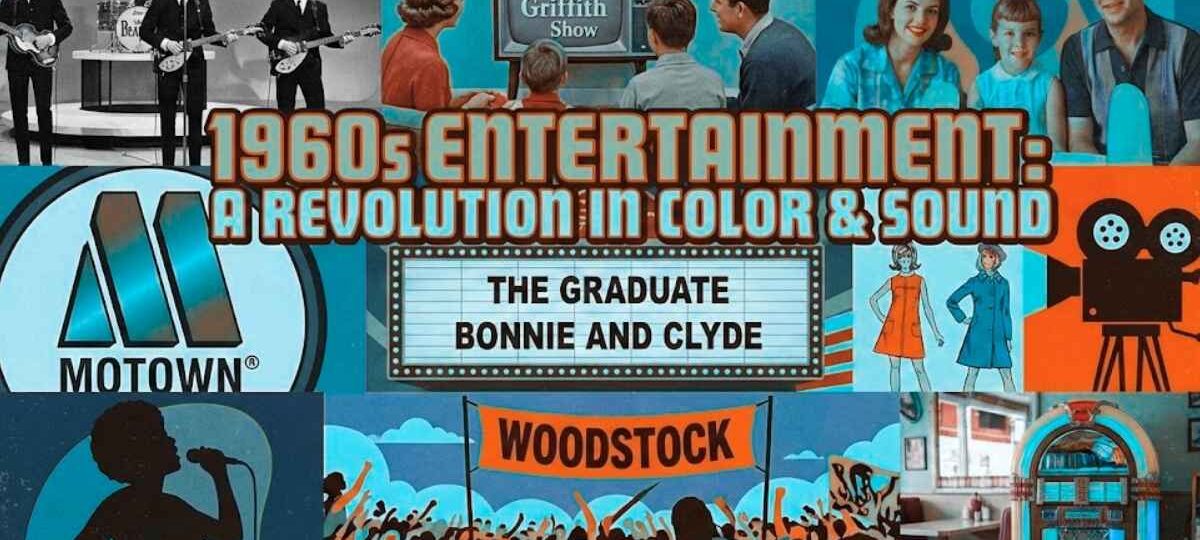
As you delve into the vibrant world of 1960s entertainment, prepare to embark on a journey through a decade marked by profound transformation and cultural revolution. This era, defined by its groundbreaking music, innovative cinema, and evolving television landscapes, reflects a society in flux and brimming with creativity. You will discover how icons of the time broke boundaries and challenged norms, reshaping the entertainment industry and leaving an indelible impact on future generations. Through this exploration, you will gain insight into how the 1960s continue to captivate and influence the cultural zeitgeist of today.
What Forms of Entertainment Were Popular in the 1960s?
Television: The Golden Era
During the 1960s, television emerged as a dominant form of entertainment in the 1960s, with nearly 95% of households owning a TV by the decade’s end. Color TV, introduced early in the decade, became a household staple, captivating audiences with classic shows like “The Andy Griffith Show” and “The Ed Sullivan Show”. Such programs reflected a mixture of traditional family values and emerging cultural shifts.
Music: Revolution and Evolution
Music in the 1960s served as both a backdrop and a catalyst for societal change. The decade is remembered for the British Invasion, led by legendary bands such as The Beatles and The Rolling Stones, which brought a new sound to the American music scene. Meanwhile, Motown Records reshaped the industry with its distinctive sound, launching the careers of icons like Marvin Gaye and Stevie Wonder. Concerts, such as those by The Doors and Jimi Hendrix, became events where music and message blended seamlessly, further amplified by transformative festivals like Woodstock.
Cinema: A Revolutionary Shift
The film industry in the 1960s experienced a transformative shift from the rigid studio system to a more youth-oriented approach. Iconic films like “The Graduate” and “Bonnie and Clyde” pushed boundaries by tackling themes of counterculture and social unrest. These cinematic pieces exemplified the decade’s exploration of rebellion against conventional social norms.
By embracing innovation and challenging convention, the various forms of entertainment in the 1960s played a crucial role in reflecting and shaping the dynamic social changes of the time.
The Movies Get Hip: How Cinema Evolved in the 1960s
A New Wave of Storytelling
In the 1960s, cinema faced a transformative period known as New Hollywood, where filmmakers actively redefined the art of storytelling. This era saw the decline of the traditional studio system, leading to a more independent approach to movie-making. Influential films such as “The Graduate” and “Bonnie and Clyde” broke away from conventional narratives, offering anti-establishment themes and experimental storytelling techniques. Filmmakers like Martin Scorsese and George Lucas drew inspiration from European art cinema, integrating innovative cinematography and editing into their work. These changes catered to a younger, more discerning audience eager for films that resonated with the social and political landscapes of the time.
Thematic Exploration and Innovation
This decade also saw a shift towards more daring and relevant themes that reflected the era’s social upheaval. Films began exploring complex issues like female identity, masculine crises, and societal pessimism. The use of unpredictable narratives and emotional irresolution in films like “Midnight Cowboy” and “The Last Picture Show” went beyond entertainment to provoke thought and conversation. This change was driven by filmmakers who were well-versed in both classical Hollywood and European art cinema, striving for a balance between popular appeal and artistic integrity. As a result, entertainment in the 1960s became a dynamic blend of innovation and introspection, setting the stage for future cinematic achievements.
Rock and Roll Regains Its Dangerous Edge: Evolution and Revolution in Music
The Revival of Rock and Roll
The 1960s marked an intriguing era when rock and roll regained its dangerous edge, breathing new life into a genre that was feared to be dwindling. Emerging from the conformist backdrop of the 1950s, rock and roll found its voice again, restoring a spirit of rebelliousness and innovation that captivated a youthful audience. Artists such as The Rolling Stones, with their provocative lyrics and edgy performances, spearheaded this revival, pushing musical boundaries and reflecting the decade’s tumultuous social changes.
Musical Experimentation and Genre Blending
During this dynamic period, musicians began to experiment with new sounds and instruments, blending traditional rock and roll with other genres. The Beatles, for instance, pioneered this evolution in music by incorporating elements from jazz, folk, and even classical music into their tracks. The result was a rich tapestry of sounds that defined entertainment in the 1960s. Bands utilized novel studio techniques, such as multitrack recording, to create complex, layered compositions that expanded the possibilities of popular music.
Cultural Impact and Legacy
The resurgence of rock and roll in the 1960s had far-reaching impacts beyond the confines of music. This musical revolution mirrored the decade’s social upheavals, influencing fashion, politics, and philosophies among a generation seeking authenticity and change. The era’s music not only provided a soundtrack to the turbulent times but also acted as a catalyst for societal shifts, leaving an enduring legacy that continues to shape modern entertainment.
The Motown Sound and Its Impact on the 1960s
Origins and Musical Prowess
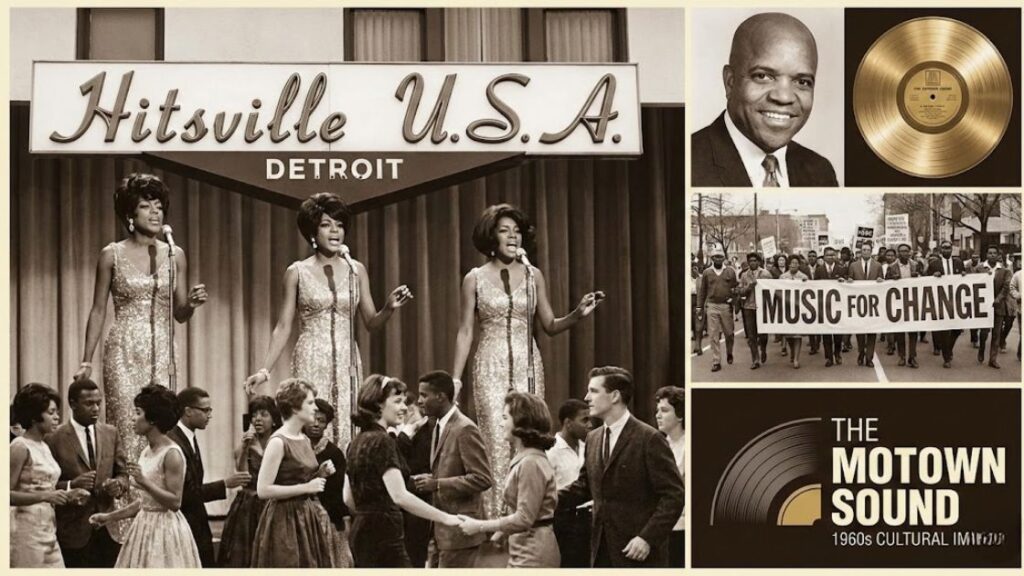
The Motown Sound, a hallmark of entertainment in the 1960s, originated in Detroit at Hitsville U.S.A. This distinctive musical genre was characterized by its fusion of gospel, jazz, and R&B, featuring catchy melodies and sophisticated arrangements. Berry Gordy Jr., the visionary founder of Motown Records, took diligent measures to create hits that resonated with universal themes and social consciousness. The assembly of top-tier artists such as The Supremes, Marvin Gaye, and The Jackson 5, along with the talented Funk Brothers, crafted an iconic sound synonymous with soul and quality.
Cultural Influence and Social Change
During the 1960s, Motown was more than just a musical powerhouse; it served as a catalyst for cultural transformation. The label’s songs, including anthems like “What’s Going On” by Marvin Gaye, addressed pressing social issues and fostered racial integration by portraying Black excellence through polished performances. Motown’s impact extended far beyond radio waves; it was a cultural phenomenon that brought people together, promoting unity and challenging societal norms.
Enduring Legacy
The Motown Sound’s legacy persists as a testament to the power of music to unite diverse populations and inspire change. Its influence is evident across various music genres today. By setting new industry standards with its quality control and artist development processes, Motown remains a beacon of innovation and artistic excellence, providing a blueprint for future music production. The profound impact of Motown’s music continues to echo through generations, illustrating the lasting cultural blueprint Motown has etched into American life.
Television Sticks to the Tried and True: Top 10 Shows in 1960
Dominance of Westerns and Classic Comedy
In the television landscape of the 1960s, Westerns and classic comedies were dominant forces that captivated audiences across the United States. Programs like “Gunsmoke,” which was the highest-rated prime-time series of the 1960–61 season according to Nielsen Media Research, enchanted viewers with its gritty depiction of the Old West, capturing a 37.3 rating. Similarly, “Wagon Train” and “Have Gun – Will Travel” were compelling staples of American television, yielding high ratings through their unique storytelling and dynamic characters, showcasing the era’s penchant for tales of cowboy bravery and adventure.
Variety and Innovation
Amidst the traditional programs, the 1960s also witnessed innovation and variety that reshaped entertainment. “The Andy Griffith Show,” renowned for its heartwarming portrayal of small-town life, was a beloved choice, ranking fourth in viewer ratings. Shows like “Candid Camera” offered a comedic twist on social situations by capturing genuine reactions from people, indicating a shift towards more light-hearted entertainment found in sources. This blend of tried-and-true genres with fresh concepts set the stage for later television innovations, making entertainment in the 1960s an intriguing tapestry of reliable favorites and emerging formats.
New Voices in Theater and Literature: A Cultural Renaissance
A Theatrical Transformation
The 1960s heralded a remarkable era for theater, characterized by significant transformation and innovation. Key to this period was the emergence of Off-Off-Broadway and the flourishing of regional residential theaters, both fostering diversity in storytelling and artistic expression. These platforms became crucibles for experimental and avant-garde productions, introducing new voices and reimagining traditional narratives. Playwrights such as Lanford Wilson and Amiri Baraka received crucial support from these spaces to push boundaries and examine complex social issues through their works. Moreover, the decade saw the proliferation of Black theater, notably influenced by the Black Arts Movement. This cultural surge sought to redefine the representation of African American experiences on stage, celebrated by playwrights like Lorraine Hansberry and August Wilson, who tackled themes of identity, race, and history with profound impact.
Literature’s New Dawn
In the same vein, English literature experienced a dynamic revival. Echoing post-war sentiments, there was a push to carve out fresh literary identities, as the legacy of modernism intersected with burgeoning realism. Movements like the “Angry Young Men” underscored the decade’s literary landscape, exploring themes of social disillusionment and class struggle. This period of literary exploration was marked by experimentation and an insistence on reflecting contemporary realities. Playwrights and writers used their craft as a lens to critique and analyze societal shifts, contributing significantly to an ongoing cultural renaissance.
How Did People Entertain Themselves in the 1960s?
Home-Based Entertainment
During the 1960s, at-home entertainment became increasingly popular, marking a pivotal decade in the evolution of leisure activities. Families often gathered to watch television, a new mass media phenomenon at the time. Popular TV shows included variety programs, sitcoms, and pop music broadcasts that captivated audiences through recorded media. Reading books, solving puzzles, and playing board and card games were also preferred pastimes. These activities encouraged family bonding and provided a break from the daily grind.
Social and Public Activities
Outside the home, the 1960s offered a variety of social events. Dance halls and clubs were vibrant hubs where people enjoyed live music and concerts. For the young and energetic, school dances and sock hops became iconic, intertwined with the emerging youth culture. Cafes, too, were popular social venues where teenagers often gathered to connect and share experiences. Additionally, going to the movies was a cherished outing, offering a shared public experience not yet rivaled by home entertainment.
Community and Outdoor Engagement
Community events and civic gatherings were integral to entertainment in the 1960s, reflecting a strong sense of local identity and involvement. Outdoor recreational activities like sports, especially football for boys, were prevalent, allowing individuals to engage in physical activities and community sporting events. These combined interactions fostered a sense of fellowship that complemented the more personal, home-centric entertainment of the time.
Conclusion
As you reflect on the vibrant tapestry of the 1960s entertainment scene, it becomes clear that this decade was a catalyst for transformation in music, film, and television. The era’s creative fervor not only challenged societal norms but also laid the groundwork for the cultural dynamism we enjoy today. By embracing experimentation and diversity, the 1960s forged a new path for artistic expression, inviting audiences to experience the world through fresh perspectives. As you delve into this remarkable period, you gain a deeper appreciation for its lasting impact on entertainment and its enduring influence on modern popular culture.
See Also: What AI Platform Like ChatGPT Make the Best Lyrics?