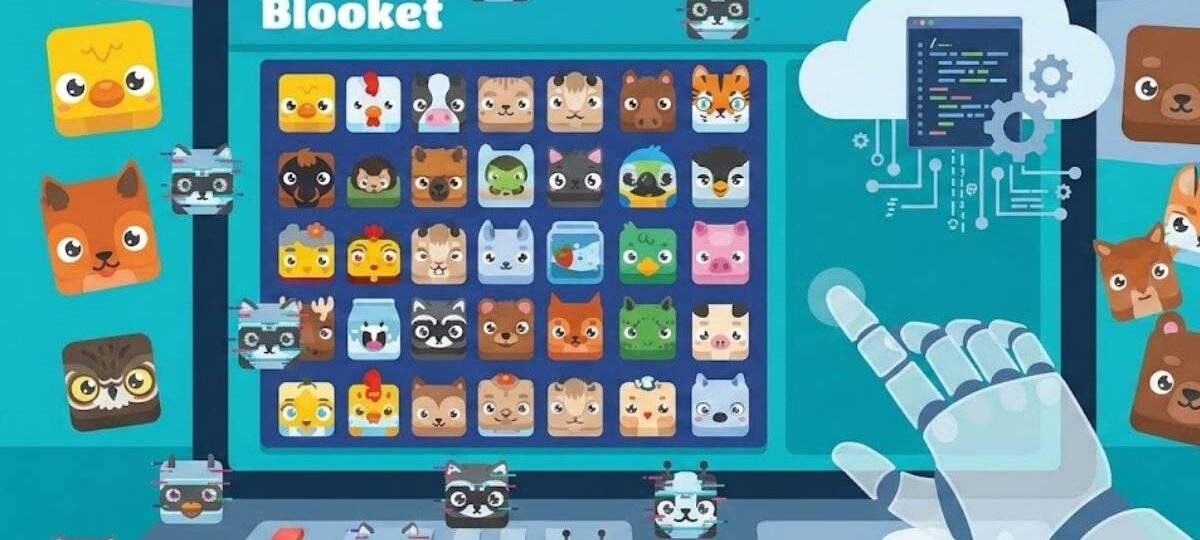
Educational technology has changed classrooms dramatically over the last decade. Traditional quizzes are quickly being replaced with interactive learning platforms that combine education with game mechanics. One of the most popular platforms leading this trend is Blooket.
However, with popularity comes new challenges.
A growing issue within online learning games is the use of automated tools known as Blooket Bots. These bots can manipulate live games, disrupt classrooms, and create unfair advantages for certain players.
In this in-depth guide, you will learn exactly what a Blooket Bot is, how it works, why students use it, the risks involved, and how teachers can protect their classrooms.
What Is a Blooket Bot? 🤖
A Blooket Bot is an automated script or software tool designed to interact with the Blooket game platform without human input.
Technically, the bot sends automated requests to the Blooket servers, simulating real players joining or participating in a game. For example, a student might run a bot that automatically joins a live quiz using dozens of fake usernames.
Unlike legitimate users, these automated accounts can answer questions instantly, flood lobbies with fake players, or disrupt the game entirely.
Importantly, Blooket does not support or authorize these bots. They are created by third-party developers and usually shared on coding platforms or online forums.
In my experience analyzing online learning tools, any platform that relies on open game codes can become vulnerable to automated scripts. Blooket is no exception.
Why Blooket Became So Popular in Schools 🎮
Before understanding bots, it’s important to understand why Blooket became such a huge platform in the first place.
Blooket transforms ordinary quizzes into competitive multiplayer games. Instead of simply answering questions, students compete to earn coins, unlock characters, and climb leaderboards.
This gamification approach dramatically increases engagement.
Teachers often use Blooket for:
- Reviewing classroom lessons
- Conducting quick assessments
- Encouraging friendly competition
- Identifying knowledge gaps
Moreover, the platform provides instant analytics after each game. Teachers can quickly see which students struggled with specific topics.
Unfortunately, the competitive nature of these games also encourages some students to look for shortcuts — and that’s where Blooket Bots enter the picture.
How Blooket Bots Work Technically ⚙️
A Blooket Bot works by sending automated requests directly to the game server.
These requests imitate normal browser behavior so the platform believes a real user is joining the session.
Here is the simplified process:
- The bot user obtains a live Blooket game code.
- The script sends automated requests to the server.
- The system registers each request as a new player.
- Bots begin interacting with the game automatically.
For example, a bot script may instantly generate 50 fake usernames and join a classroom game simultaneously.
Some bots go even further.
Advanced tools can bypass browser security systems like Content Security Policy (CSP) or Cross-Origin Resource Sharing (CORS). These protections normally prevent unauthorized scripts from interacting with a website.
Developers sometimes use browser extensions, bookmarklets, or injected scripts through the browser console to achieve this.
The result is a powerful automated tool that can control multiple fake players at once.
Common Types of Blooket Bots
Different bots are designed for different purposes. Some aim to win games automatically, while others simply disrupt the session.
The most common bot types include:
Flood Bots
Flood bots overwhelm the lobby with fake players.
They may add dozens or even hundreds of usernames to a game, causing lag or server crashes.
Answer Bots
These bots automatically detect and answer quiz questions.
Some answer perfectly every time, while others intentionally mix incorrect answers to appear human.
Loop Bots
Loop bots repeatedly join and leave a game session.
This creates heavy server strain and can crash the entire session.
Chat and Name Spam Bots
These bots generate inappropriate or distracting usernames.
Their main goal is to disrupt the classroom environment.
Silent Spectator Bots
These bots simply join the game but never answer questions.
They artificially inflate the player count and confuse the host.
Token or Unlock Bots
Some bots claim to generate unlimited coins or unlock rare Blooks.
However, most of these tools are scams designed to steal account information.
Overview of Bot Types and Their Impact
| Bot Type | Main Purpose | Impact on Game |
|---|---|---|
| Flood Bot | Fill lobby with fake players | Causes lag or crashes |
| Answer Bot | Automatically answer questions | Unfair competitive advantage |
| Loop Bot | Repeated join/leave cycles | Server instability |
| Spam Bot | Offensive usernames or messages | Classroom disruption |
| Spectator Bot | Fake inactive players | Confusing analytics |
Understanding these bot categories helps educators recognize suspicious activity during live sessions.
Why Students Use Blooket Bots 🎯
The rise of Blooket bots is closely linked to the psychology of competitive gaming.
Gamified learning systems reward speed, accuracy, and performance. When rewards such as coins, leaderboards, or rare avatars are involved, some players become highly motivated to win.
Several factors drive students toward using bots.
First, competition pressure plays a major role. Students may feel tempted when they see classmates winning frequently or unlocking rare characters.
Second, online communities share these tools openly. Students can easily find bot scripts through social media, forums, or coding repositories.
Third, some students simply want to prank their teachers. Flooding a classroom quiz may seem funny in the moment, even though it disrupts learning.
Finally, a smaller group of students use these bots out of technical curiosity. They want to understand how automated scripts interact with web applications.
While curiosity about programming can be positive, misusing these tools creates serious consequences.
The Hidden Risks of Using Blooket Bots ⚠️
Many students believe bots are harmless shortcuts. In reality, they carry significant risks.
Security Risks
Many bot websites ask users to download unknown files.
These downloads often contain:
- Malware
- Spyware
- Password stealers
- Phishing scripts
In my experience reviewing bot repositories, many “free cheat tools” exist solely to collect login credentials.
Students who enter their Blooket usernames and passwords into these tools may lose access to their accounts entirely.
Account Bans
Using a bot violates Blooket’s Terms of Service.
If detected, the platform may issue:
- Permanent account bans
- Suspension of game privileges
- Loss of coins and Blooks
For students who spent months collecting rewards, this penalty can be significant.
School Disciplinary Actions
Many schools monitor network activity.
If administrators detect bot scripts running on school devices, students may face:
- Network restrictions
- Device confiscation
- Academic disciplinary action
Therefore, what seems like a harmless prank can quickly become a serious issue.
How Blooket Detects Bots 🔍
Blooket continuously updates its security systems to detect suspicious behavior.
The platform uses several indicators to identify bots.
For example:
- Multiple players joining within milliseconds
- Random or extremely long usernames
- Instant answers with perfect accuracy
- Identical activity patterns across accounts
If the system detects these signals, it may automatically remove players or flag the session for review.
However, bot developers constantly update their scripts, creating a continuous cat-and-mouse game between developers and platform security teams.
How Teachers Can Prevent Bot Attacks 🛡️
Teachers remain the most important line of defense against Blooket bots.
Fortunately, several simple strategies can dramatically reduce the risk.
1. Enable Student ID Mode
Student ID mode requires participants to log into verified accounts before joining.
This prevents anonymous bots from entering the game.
2. Keep Game Codes Private
Bots require the game code to join.
Teachers should only share codes inside secure classroom platforms or directly with students.
3. Use the Waiting Room Feature
The waiting room allows teachers to review players before starting the game.
Suspicious usernames can be removed immediately.
4. Limit the Number of Players
Setting a strict player limit prevents large bot floods from entering the session.
5. Use Homework Mode
Solo assignments reduce the risk of live disruptions.
Students complete quizzes independently instead of in real-time competitions.
These simple strategies significantly improve classroom security.
Ethical Alternatives for Students 🌱
Students interested in winning Blooket games or collecting rare items do not need to rely on bots.
Several legitimate strategies can help them succeed.
The best approach is practice.
Using Solo Mode allows students to replay quizzes and master the material. As their knowledge improves, they naturally perform better during live games.
Study groups also work well. Students who review topics together often dominate competitive quizzes without any unfair advantages.
For students interested in programming, there are much better paths to explore automation ethically.
Platforms like Scratch, Tynker, and beginner-friendly coding courses teach real programming skills without harming educational environments.
Learning to build apps, games, or automation tools the right way is far more valuable than running a simple script.
The Future of Gamified Learning and Bot Prevention 🚀
Gamified education will continue growing in popularity.
Interactive learning tools increase engagement, improve retention, and make lessons more enjoyable.
However, developers must constantly adapt their security systems to prevent automated abuse.
Future solutions may include:
- AI-powered bot detection
- Account verification systems
- Behavioral analysis algorithms
- Classroom-specific security controls
As these technologies improve, bot attacks will become harder to execute.
Ultimately, maintaining a fair learning environment requires cooperation between developers, teachers, and students.
FAQs
What is a Blooket Bot used for?
A Blooket Bot is mainly used to automate actions inside a Blooket game session. These bots can join games automatically, answer quiz questions instantly, or flood a lobby with fake players. While some students use them to gain unfair advantages, others use them simply to disrupt classroom activities.
Are Blooket bots illegal?
Blooket bots are not illegal in most cases, but they violate the platform’s Terms of Service. Using them can result in permanent account bans or loss of in-game rewards. Additionally, schools may impose disciplinary actions if students are caught using bots during classroom activities.
Can Blooket detect bots?
Yes, Blooket has security systems designed to detect automated activity. The platform monitors suspicious behaviors such as extremely fast answers, repeated join attempts, or multiple players joining simultaneously. When detected, these accounts may be removed or banned from the platform.
Do Blooket coin generators or token bots really work?
Most Blooket coin generators or token bots are scams. They often require users to enter their login credentials or download unknown software. In many cases, these tools are designed to steal personal data or install malware rather than generate legitimate rewards.
How can teachers stop Blooket bots in their classroom?
Teachers can reduce bot attacks by enabling Student ID mode, limiting the number of players, and keeping game codes private. Monitoring the waiting room before starting the game also helps identify suspicious usernames. These simple precautions greatly improve classroom security.
See Also: Blooket Hacks & Cheats: Unlocking the Secrets of Blooket!